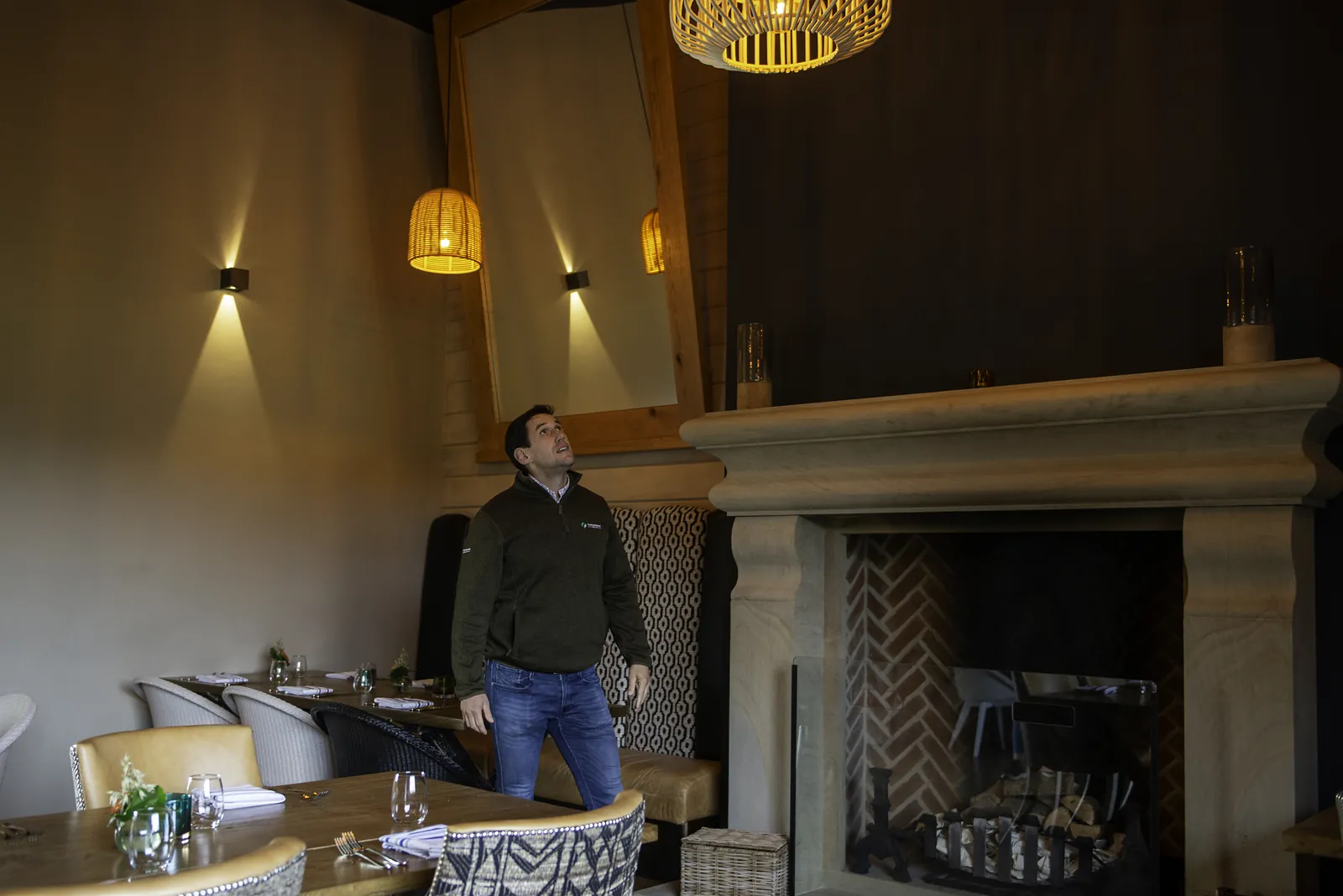
Not every project starts with a blank canvas. Some of the most rewarding buildings we work on are also the most tightly controlled: listed pubs, barns, and commercial buildings in conservation areas. If your fit out involves one, here is what to expect.
Listed Building Consent comes first
Most changes to a listed building, inside or out, need Listed Building Consent from the local planning authority, on top of any planning permission. The application needs to show what is being changed, why, and how the character of the building is protected. Conservation officers are usually most interested in original fabric: historic joinery, stonework, fireplaces, roof structure and floor layouts.
Getting this right early saves months. We work with planners and conservation officers from the start, so the design is shaped around what will be approved rather than redrawn afterwards.
Survey more, assume less
Heritage projects need more survey work up front than a standard fit out. Old buildings hide things, and the condition of timbers, walls and roofs is rarely what the drawings suggest. A thorough condition survey before design starts is the single best way to protect the programme and the budget.
Traditional materials, traditional methods
Repairs to historic fabric should generally use the materials and methods the building was made with. That means lime rather than cement mortar on old stonework, timber repairs that match the original, and natural slate where it was used before. It needs trades who know those materials, which is why we manage specialist conservation work in-house wherever we can.
It will take longer, and that is fine
Heritage work often runs longer than a standard fit out because of consent timescales, survey findings and careful execution on site. A good contractor builds that into the programme from day one rather than discovering it halfway through.
Keep a record
Listed buildings need a full record of the works carried out. We document everything and hand it over with the building, which helps with future consents and with anyone who works on it after us.
Once the historic fabric is secure, the same team can take on the interior fit out, and for operators with several sites we also run corporate reimaging programmes.
At Ye Horns Inn in Goosnargh we restored a Grade II listed pub, extended the dining area and landscaped the grounds while keeping every original listed feature. Read more about our traditional build service and heritage work.